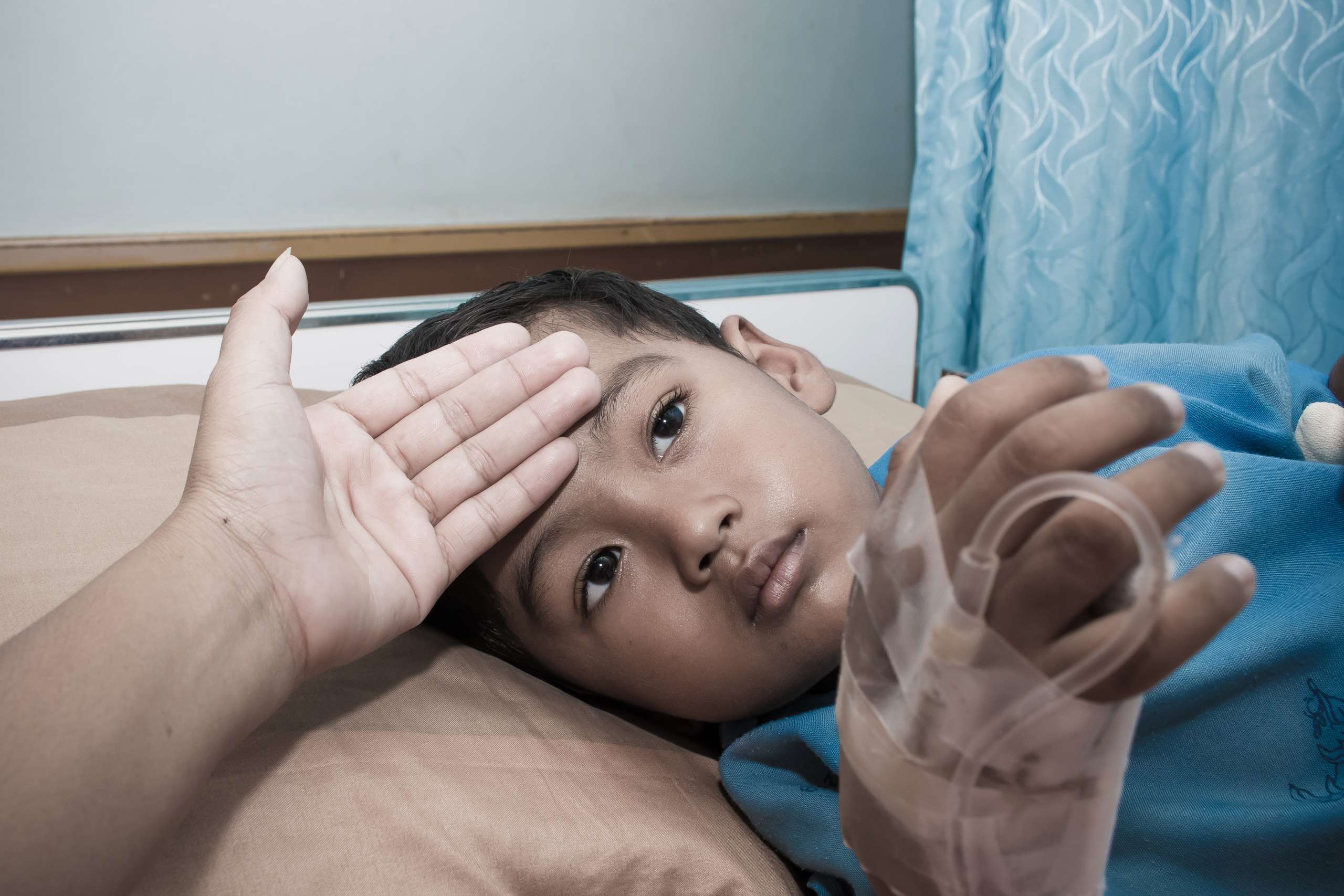
1.What is meant by the side effects of chemotherapeutic agents?
Chemotherapy kills cancer cells in the body and helps your child get rid of cancer. But, at the same time, chemotherapy also causes damage to normal body cells and their function. This attack on the body’s healthy cells can lead to different symptoms and signs known as the side effects of chemo drugs.
Some important things to remember about the side effects of cancer medicine in children:
- Most children do not experience all the side effects listed.
- Most side effects are reversible and will go away after treatment is complete.
- There is no relationship between the presence or severity of side effects and the effectiveness of the medication.
- The capacity of any child to withstand the adverse effects of a cancer drug is much higher.
- The consequences of cancer are more severe than the side effects of chemotherapies.
- Some side effects are common for specific chemotherapy agents.
- There are multiple things cancer parents can do to avoid or minimize the side effects of cancer medicine.
2.What can parents do to avoid or minimise the consequences of the chemotherapy side effects?
Parents can do several things to avoid or minimise the side effects of cancer medicine. Sometimes parents can identify early signs of side effects and notify the nurse or doctor treating your child. Therefore, parents need to understand the different side effects.
COMMON SIDE-EFFECTS OF CHEMOTHERAPY MEDICATIONS USED in children
Following are the most common side effects of chemotherapy.
Specific drug-related side effects are mentioned further down.
1. Allergic reaction
2. Increased risk of infection
3. Bruising and bleeding
4. Anemia (low hemoglobin or low red blood cells)
5. Feeling a need to vomit (nausea) and vomiting
6. Loss of appetite and weight loss
7. Hair loss
8. Constipation
9. Mucositis (mouth ulcers or ulcers of the lining of the food pipe).
10. Eye problems
11. Headaches
12. Stomach irritation, heartburn, abdominal discomfort and pain
13. Raised blood pressure
14. Destruction and thinning of the bones and joints.
15. Changes in behavior
16. Weight gain
17. Raised blood sugar
18. Pancreatitis (Damage to Pancreas)
19. Damage to the liver
20. Damage to the Kidney
21. Effects on the heart
22. Blood clotting
23. Peripheral Neuropathy
24. Muscle pain, Joint or Jaw pain
25. Changes in hearing
26. Bladder irritation
27. Leaking chemotherapy outside the vein
28. Skin changes
29. Fertility issue
30. Second cancer
1. Allergic reaction
Allergic reactions are serious side effects of chemotherapeutic drugs. It is a temporary side effect, but it can be dangerous. Therefore, it should be identified as early as possible so that your child can be given medicines to resolve the allergy immediately. In addition, parents should notify the nurse immediately if they observe any of the following symptoms:
- A rash
- Feeling itchy, flushed or short of breath
- Swollen lips or face
- Dizziness
- Pain in the abdomen, back or chest
- Feeling unwell
2. Risk of infection
Chemotherapy medicines can reduce the number of white blood cells (WBC) and Neutrophils (a type of WBC that work against severe infections) in your child’s blood. Since WBC’s in general and neutrophil specifically have an essential role in the body’s defence against infection, chemotherapy can make your child more likely to get an infection. Your treating doctor will regularly do your child’s blood count to identify whether your child has Neutropenia. If your child has Neutropenia, it means your child will have a higher chance of getting an infection. This is discussed in detail in a separate chapter.
3. Bruising and bleeding
Many chemotherapeutic agents can reduce the number of platelets in your child’s blood. Platelets are cells that help to prevent bleeding.
When your child’s blood platelet count is very low, it will increase the chance of bleeding. Notify your child’s cancer doctor if your child has any bruising or bleeding like nosebleeds, bleeding gums etc. Sometimes your doctor will advise platelets transfusion if the platelet count is less than a certain level. Platelet transfusion is like giving blood to your child.
4. Anemia (Low Hemoglobin or low Red Blood Cells)
Cancer medicines can reduce the number of Red Blood Cells (RBC) in your child’s blood, leading to low hemoglobin levels called anemia. Your child may feel tired and breathless if hemoglobin level is low. Inform your doctor or nurse if your child feels tired or has pallor. Usually, doctors check hemoglobin level regularly while your child is on chemotherapy. If it’s below a certain level, the doctor will recommend a blood transfusion.
5. Feeling of Vomiting (Nausea) and Vomiting
Vomiting and the feeling of vomiting are common side effects of chemotherapy. The capacity to cause vomiting and nausea varies with different cancer medicines. Some are strong, and some are mild. Vomiting can be an unpleasant experience for your child. Therefore, every effort should be made to avoid these side effects. These symptoms usually occur at the time of chemotherapy and last only 3-5 days after chemotherapy. There are many anti-vomiting medicines available, and you should generously use them to avoid vomiting. It is better to avoid vomiting than to treat it after it has started. Depending on the chemotherapy drugs being used, your doctor will prescribe anti-vomiting (anti-emetic) medications to prevent or control vomiting even before beginning chemotherapy. When your child gets discharged, always make sure you have some anti-vomiting medicine to take home just in case your child starts vomiting at home.
6. Loss of appetite and weight loss
This is again a usual symptom of cancer treatment, and many chemotherapy drugs can cause it. Having cancer itself can cause loss of appetite. It can affect the nutritional intake of the child and lead to weight loss. Hence, proper nutrition is vital during cancer treatment, which is explained further in another chapter.
7. Hair loss
Hair loss is a widespread side effect of many cancer medicines. Your child’s eyelashes, eyebrows and other body hair may fall out. Most children, especially teenagers, will get disturbed when they discover hair loss is a common side effect of chemotherapy. You must explain that it is only temporary, and your child’s hair will grow back after the chemotherapy ends. You can cut their hair in advance before starting chemotherapy to avoid the experience of losing hairs. During the temporary period of hair loss, you can support your child by using wigs.
8. Constipation
Constipation is a frequent complication of many chemotherapy drugs. Decreased intake of food and drink and lack of exercise during chemotherapy contribute to this. You should encourage your child to drink well and eat more foods containing fibre (such as fruit and vegetables). Also, encourage them to follow a gentle exercise regimen.
If your child hasn’t had a bowel motion for two days, talk to your doctor for advice. There are different medicines available, like laxatives, to resolve constipation. Your child must pass stool regularly.
9. Mucositis (Soreness or ulcer of the lining of the food pipe)
The inner g of the food pipe, called intestinal mucosa, is made of very delicate cells. Chemotherapy drugs can damage this mucosa and lead to soreness or ulcers called mucositis. Mucositis can occur anywhere from the mouth to the lower end of the food pipe in the abdomen. Symptoms depend on the site of the food pipe involved. If it involves the mouth, it can cause mouth pain and mouth ulcers. It can also present as heartburn, chest discomfort, abdominal pain and diarrhea. Mucosa usually acts as a barrier and prevents infections entering from the food pipe to the blood. When it is damaged by chemotherapy, it can increase the risk of infection. However, mucositis is a short-lasting side effect of chemotherapy that lasts 1 to 3 weeks after chemotherapy. It can be mild but sometimes very severe. It can affect your child’s food intake because of the pain. During this time, your child’s doctor will recommend measures to control the pain, prevent or treat infection, and ensure that your child gets the required nutrients. Sometimes your child’s doctor may give special food using an injection if your child cannot eat through the mouth. It is called TPN ( total parenteral nutrition)
It is also important to clean your child’s teeth in the morning, at night and after meals using a soft-bristled toothbrush. You can also tell your child to rinse their mouth regularly or use antiseptic mouthwashes.
10. Eye problems
Chemotherapy like high dose cytarabine may make your child’s eyes feel dry, sore, red and itchy (conjunctivitis). Your doctor may advise steroid eye drops to prevent this. It is imperative you use these as instructed.
11. Headaches
Headache is a prevalent symptom your child can have during cancer treatment. It could be because of the cancer medicines, the disease or dehydration. If this happens, support your child psychologically by giving them rest and hydration with painkillers if necessary. Usually, the headaches disappear with these aids. However, if the headaches do not improve, tell your doctor.
12. Stomach irritation, heartburn, abdominal discomfort and pain
This is a common side effect of steroid medicines (Dexamethasone,Prednisolone) used to treat cancer in children . There is a specific medicine that should always be given along with steroids to help to prevent these symptoms
13. High blood pressure
Sometimes cancer medicines (like steroids) can cause high blood pressure. Therefore, your child’s blood pressure should be monitored regularly. If headache or dizziness develops, inform the treating team. Medicines can help control blood pressure. It will get resolved once the treatment has stopped.
14. Destruction of joints and thinning of the bones
These are rare but severe side effects of cancer treatment, especially if your child is given steroids for a long time.
15. Changes in behavior
These include sleep disturbances, mood swings, anxiety, irritability, and tantrums. Usually, these symptoms are seen in children taking steroids. However, all these symptoms will not happen at the same time.
Managing these symptoms while your child is receiving steroids is sometimes tricky. Nonetheless, there are things that family members can do to support your child whilst on steroids. The effects of steroids are usually short-lived, and most children will revert to their normal behavior once their medication is stopped.
16. Weight gain
When your child is taking steroids medicine like dexamethasone and Prednisolone, your child may feel hungry often and tend to eat more, which causes their weight to increase. You should try to give healthy food during this time. Dexamethasone can also make the body retain water, contributing to weight gain. Your child’s weight will return to normal once steroid medicine has stopped.
17. Raised blood sugar
Some cancer medicine like Asparaginase and steroids used to treat Leukemia can cause an increase in blood sugar levels. Blood sugar spikes usually disappear when your child stops taking those medicines. However, it’s vital your child’s blood sugar level is maintained at the normal range. The nurse will check your child’s blood sugar regularly for any raise during chemotherapy. Sometimes your child may require an insulin injection to normalise their sugar level.
18. Pancreatitis (Damage to Pancreas)
The pancreas is a body part of the abdomen. It produces chemicals required for the digestion of food. Some cancer medicines (specifically Asparaginase) can damage the pancreas; a condition called pancreatitis. This is a rare event that causes severe upper abdominal pain and vomiting. Tell your doctor straight away if your child gets any of these symptoms, especially if your child has been given Asparaginase. Your doctor might do a particular blood test and abdomen scan to diagnose this complication.
19. Damage to the liver
Many chemotherapy medicines can cause damage to liver function, which is usually temporary. Sometimes your child can develop yellowish discoloration of the eye and skin, called jaundice. In addition, you can see your child’s urine turning yellow and dark. The doctor might do a special blood test to confirm this. Once liver damage is confirmed and depending on the damage, your child’s doctor might modify or stop some chemotherapy medicines either permanently or for a short while. Therefore, you must watch out for these symptoms.
20. Damage to the Kidney
Some cancer medicines can cause damage to the kidneys. This depends on the chemotherapy medicine used and the dosage. Usually, this side effect stays only for a short period, but sometimes it can lead to permanent kidney damage if we do not monitor kidney function and take the required measures. Your child will have blood tests done before and during the cancer treatment to check for kidney damage. In specific chemotherapy regimens, your child will be given extra fluids through a drip before, during and after chemotherapy. This is to protect your child’s kidneys. Depending on the blood test results, your doctor might change the dose of chemotherapy or stop it for a short period and change it to another medicine that doesn’t harm the kidneys.
21. Effects on the heart
Some cancer medicines can affect the way the heart works. This depends on the dose of the drug and usually occurs in the long run. Therefore, it is necessary to follow up with doctors to assess heart function. Doctors may do this before, during and sometimes after chemotherapy. If certain chemotherapy drugs are affecting your child’s heart function, the doctor may cut down or stop using that drug in the future.
22. Blood clotting
Blood in your child’s body flows all the time through blood vessels. There are chemicals in the blood that make this happen by always keeping the blood in a fluid state. Some chemotherapy drugs damage the system and make the blood thick and prone to clot. They can affect blood flow and cause damage to the body part where blood flow is impaired. A clot can cause pain, redness and swelling in the leg or arm, breathlessness, or chest pain, depending on the blood clot site. It is more common in children with a central line. It can be severe if we do not identify early and start treatment immediately. Inform the cancer doctor or nurse straight away if your child has any of these symptoms.
23. Peripheral Neuropathy
Some cancer medicines, notably Vincristine, can damage the nerves, especially in the legs or arm. This is called peripheral neuropathy. It can cause numbness, a tingling sensation in the hands and feet, and pain in the abdomen and legs. Sometimes it can affect your child’s walk. Depending on the signs and symptoms, your child may need pain medicine and physiotherapy support. To control this side effect, the doctor might decrease the dosage.
24. Muscle pain, joint or jaw pain
These are rare complications, typically with Vincristine. Your child may get pain in their joints or muscles a few days after chemotherapy. If the pain does not get better, get plenty of rest. Sometimes pain medicine might prove helpful.
25. Complications on the nervous system
When chemotherapy is given at a high dose or into the spinal fluid (intrathecal chemotherapy), it can affect the nervous system. As a result, your child may feel drowsy or confused. Rarely, it can cause seizures (fits). A common medication that can cause these problems is Methotrexate.
26. Changes in hearing
Some chemotherapy drugs can affect your child’s hearing and cause them to lose the ability to hear some sounds. With chemotherapy drugs like cisplatin, doctors usually test your child’s hearing before starting the treatment. They reduce or omit doses if there are any significant changes in hearing when the treatment is ongoing. Some hearing changes can be permanent. There are ways to support your child if that happens, such as providing a hearing aid.
27. Bladder irritation
Some chemotherapy drugs like cyclophosphamide can hurt the inner wall of the urinary bladder. This is called cystitis. Your child can develop pain and discomfort while passing urine. You can limit this by making sure your child drinks plenty of fluids in the 24 hours following chemotherapy. It is also crucial for the child to empty their bladder regularly and pass urine as soon as they feel the need to go.
If your child is being treated with higher doses of cyclophosphamide, your child will be given fluids through a drip (infusion) with a unique drug called mesna. This helps to prevent bladder irritation.
28. Leaking chemotherapy outside the vein
Most chemotherapy drugs are given through an injection into the vein. These drugs can leak outside the vein and cause damage to the tissue surrounding the vein. This is called extravasation. It is a rare side effect but must be dealt with immediately. Therefore, notify your doctor or nurse if your child develops any stinging, pain, redness or swelling around their vein.
29. Skin changes
Chemotherapy may affect your child’s skin. It can cause dry skin, and your child’s skin may darken. Usually, it will return to normal after finishing the treatment. If your child’s skin feels dry, use moisturizing cream every day.
30. Fertility
Some cancer drugs can affect fertility (whether your child can become a parent or not). However, this is quite rare.
31. second cancer
Doctors have noticed that some chemotherapy medicines can lead to cancer development many years later. However, it is crucial to understand that this is very rare. Considering the benefits of chemotherapy, i.e. killing your child’s cancer, this is a rare side effect that is a minor concern. Therefore, it is necessary to use chemo to treat your child’s current cancer.
List of chemotherapeutic agents with their potential side effects.
Prednisolone, dexamethasone, methylprednisolone –
- Excess appetite, weight gain
- Stomach irritation Moon face, protuberant abdomen, shoulder hump, Stretch marks
- High blood sugar level, high blood pressure
- Mood swings
- Suppression of immunity
- Thinning of bones
Vincristine (Vinca Alkaloids) –
- Constipation
- Weakness of nerves of limbs (wrist drops, foot drop etc.) or hoarse voice (weakness of nerve of the voice box)
- Constipation
- Numb or tingling hands or feet
- Hair loss
- Jaw pain
- Muscle pain or joint pain
- Effects on the nervous system
Daunorubicin / Doxorubicin (Anthracyclines)-
- Mouth ulcers, ulcers in food pipe,
- Pain in abdomen, diarrhea
- Poor appetite, nausea, vomiting
- Heart failure
L-asparaginase –
- Allergic reactions, anaphylaxis
- Hyperglycemia
- Pancreatitis
- Formation of blood clots in blood vessels – including those in the brain
- Pain at the injection site
Cytarabine –
- Nausea, vomiting, loss of appetite
- Diarrhea and crampy abdominal pain
- Irritation of eyes, excessive tearing, sensitivity to light / blurred vision – with high dose
Methotrexate –
- Nausea, vomiting, poor appetite
- Mouth ulcers
- Lowering the blood count
- Kidney toxicity
- Liver toxicity
Cyclophosphamide –
- Loss of appetite
- Kidney and bladder problems
- Blood in urine
- Infertility
- Bladder irritation
- Second cancer
Mercaptopurine –
- Liver toxicity
- Poor appetite
- Mouth ulcers, abdominal pain
- Lowering the blood count
Thioguanine –
- Liver toxicity
- Poor appetite
- Mouth ulcers, abdominal pain
Etoposide –
- Low blood pressure (IV only)
- allergy
- Hair loss
- Liver toxicity
- Second cancer
Cisplatin–
- Allergic reaction
- Changes in hearing
- Numbness or tingling hands and feet (peripheral neuropathy)
Carboplatin-
- Allergic reaction
- Numb or tingling in hands and feet (peripheral neuropathy)

